
Services
Brain fog and chronic fatigue assessment
Foggy thinking and tiredness that does not lift can be hard to describe and harder to get explained. Dr. Mark Sylvester takes the time to go through your history, your sleep, your nutrition and your earlier results, and to talk through what may be contributing.

What is brain fog?
Brain fog is not a diagnosis. It is the everyday name for a group of symptoms that affect thinking: trouble concentrating, forgetfulness, slower thinking and losing your train of thought. It often comes with fatigue.
Both have many possible contributors, and more than one can be present at once. Sleep, stress, mood, nutrition, hormonal changes, medicines and recovery from a viral illness are among those commonly named. An assessment is designed to look at these together and not one at a time.
If you have been told your results look normal but you can barely get through the day, the way you feel is still worth a careful look. This includes tiredness that follows an illness, such as long COVID or a tick-borne illness, and tiredness with no clear starting point.
This page uses "chronic fatigue" to mean tiredness that has lasted. It is a description of a symptom, not a diagnosis.
What people commonly report
People describe brain fog and fatigue in different ways. These are the ones we hear most.
Trouble concentrating: losing focus at work, in conversation or while reading.
Forgetfulness: misplacing words, names or what you walked into the room for.
Tiredness that rest does not fix: waking unrefreshed, or running out of energy early in the day.
Slow recovery: feeling worse after effort, or still not feeling like yourself months after a viral illness.
What an assessment covers
Step 1
Your story and timeline
when the fog and fatigue began, how they have changed and how they affect your day.
Step 2
Possible contributors
sleep, nutrition, inflammation, hormones, medicines, recent illness and your environment, reviewed alongside any earlier testing you bring.
Step 3
Possible next steps
a plain summary of what may be worth looking into, and in what order. No diagnosis is promised from a first conversation.
What may be draining your energy
To understand tiredness that lasts, an assessment looks at several possible contributors, which can overlap.
After a viral illness
some people stay unwell after a viral infection, including long COVID. Lingering inflammation and immune activity are among the ideas discussed, and research is ongoing.
Stress and the nervous system
An assessment asks how stress and sleep fit in.
A roadmap, step by step
An assessment is the start of a conversation, not a set protocol. These are the areas it may cover. What applies depends on you, and no outcome is promised.
Looking closely: your history, your earlier results and whether further testing may be worth considering, so that the next step is not a guess.
Supporting your body: how your sleep, nutrition and daily routine are supporting your energy, and what else Dr. Sylvester may suggest discussing.
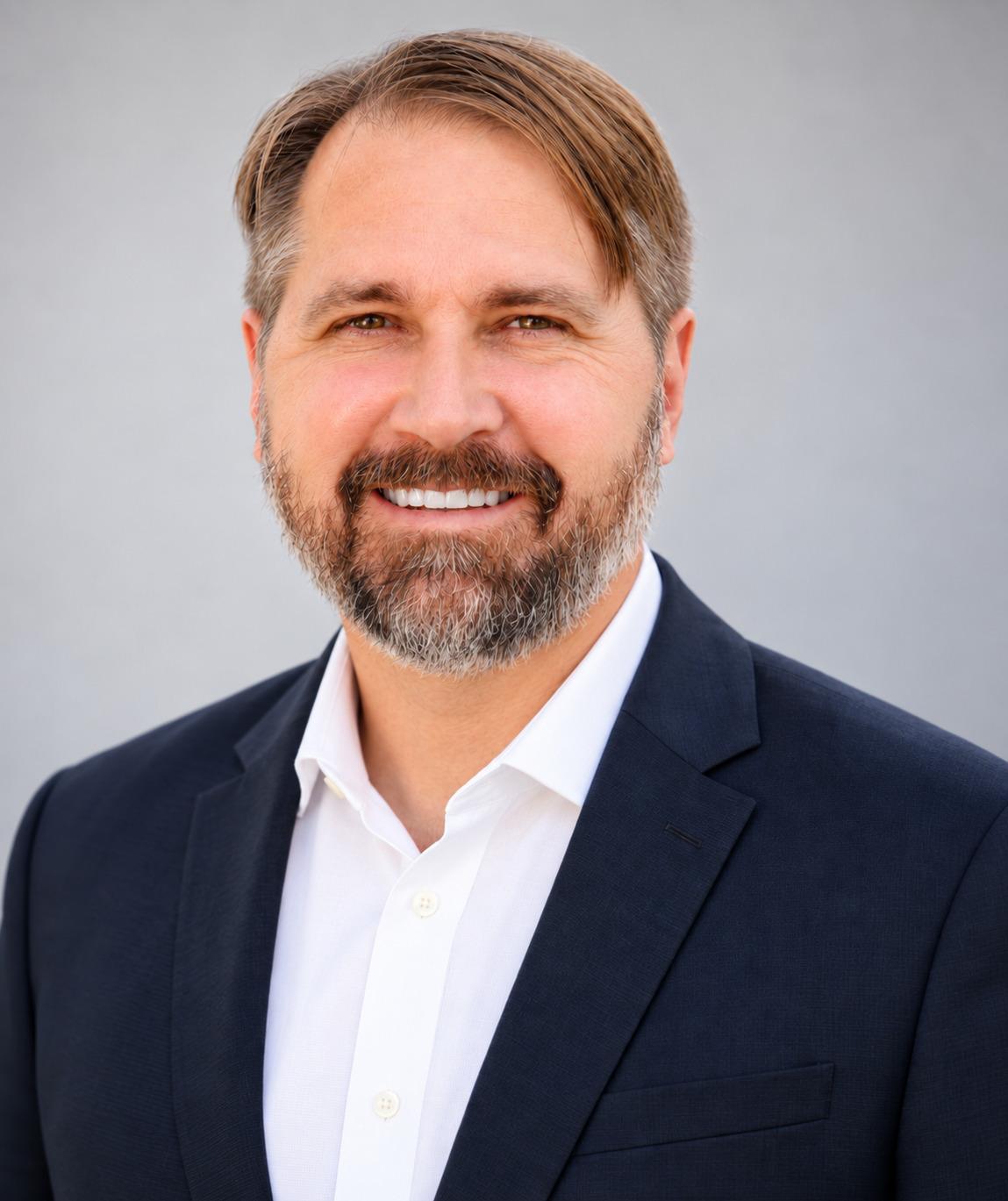
Mark Sylvester, MD
Dr. Sylvester is a Florida-licensed physician who earned his medical degree at the University of Miami and has completed fellowships in A4M, IPI and PAP. At Sarasota Functional Medicine he takes an evaluation-first approach, with time to hear the whole story.
About Dr. SylvesterQuestions about brain fog and fatigue
My lab results were normal. Is an assessment still worth it?
Normal results are useful information, and they narrow the picture. They do not always explain how you feel. An assessment reviews your history alongside those results.
Do I need new blood work first?
No. Bring any recent results you have. Dr. Sylvester will discuss whether anything further makes sense for you.
Does this replace my primary care doctor?
No. Functional medicine works alongside conventional care. Keep your regular clinicians informed, and see them promptly for new or severe symptoms.
Why do I have brain fog when my labs are normal?
What a standard panel can and cannot tell you.

Hormone health
An evaluation of energy, mood, sleep and metabolism concerns.

Where do I start if I have had symptoms for years?
A plain guide to functional medicine and to what a comprehensive initial evaluation involves.
Ready to talk it through?
Request an appointment and our office will contact you to find a time.
Request an Appointment